
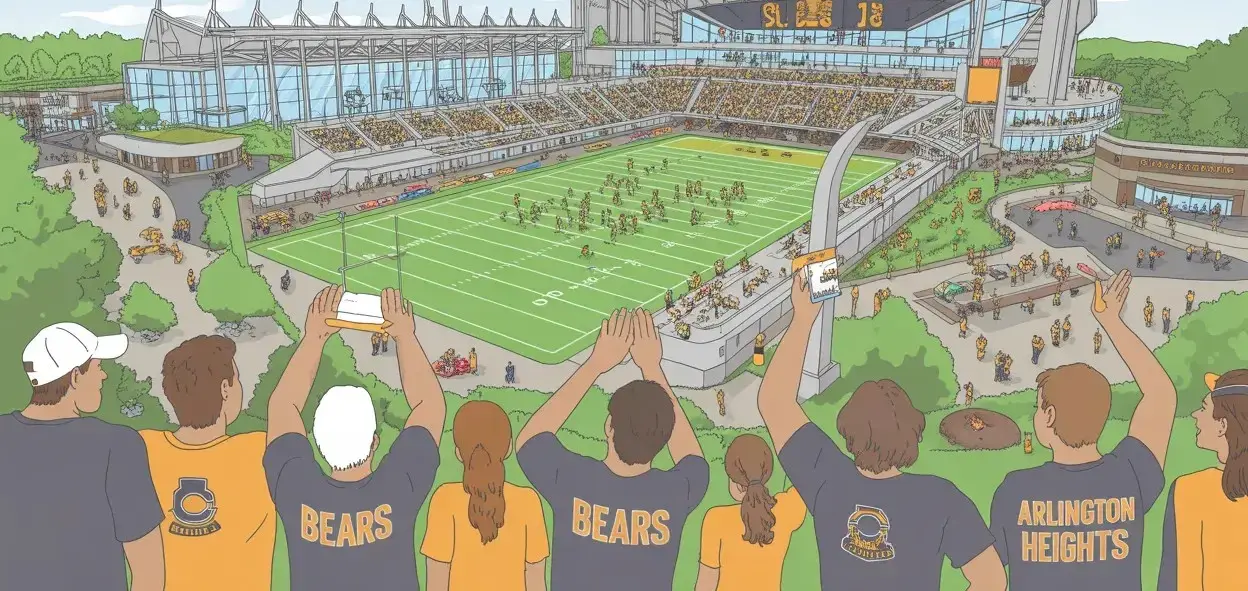
The Chicago Bears are on the cusp of one of the biggest moves in franchise history. After over 50 years at Soldier Field, the team is pursuing a new stadium in Arlington Heights.
The Chicago Bears are on the cusp of one of the biggest moves in franchise history. After over 50 years at Soldier Field, the team is pursuing a new stadium in Arlington Heights. This could change their identity not just as a football team but as a major player in the Chicago sports and entertainment scene. It's more than a new home; it's a vision of turning a suburban community into a destination, sparking debates about tradition, economics, and the future of the sport.
History and Background
Roots in Soldier Field
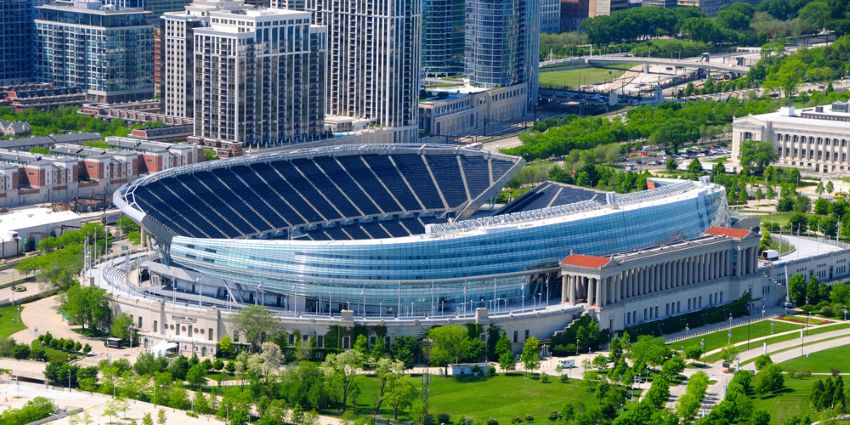
The Bears have been at Soldier Field since 1971 and have created some of the most iconic moments along the Chicago lakefront. From Walter Payton's runs to the 1985 Super Bowl team, the venue has been part of Chicago's sports DNA. Yet even after a $690 million renovation in 2003, which stripped the stadium of its National Historic Landmark status, Soldier Field is the smallest stadium in the NFL with only 61,500 seats. Its limited amenities and revenue streams have been seen as a disadvantage in the modern NFL.
Why Arlington Heights?
The Bears' move to Arlington Heights gained momentum when the 326-acre Arlington Park Racecourse property became available. In early 2023, the team finalized a $197 million purchase, and they were done. Failed negotiations with Chicago officials weren't just about money; they were about vision. Chicago proposed lakefront renovations, the Bears wanted full venue ownership and a year round entertainment district that could host Super Bowls, Final Fours, and concerts—things Soldier Field can't do.
The Stadium Vision
Design and Features
The proposed stadium represents a stark contrast to Soldier Field's windswept, open design. Key features include:
- A state-of-the-art facility with a fixed roof to combat harsh Chicago winters
- Expanded seating for over 70,000 fans, accommodating more guests
- Advanced amenities such as luxury suites, diverse standing-room sections, and club levels are tailored to offering varied experiences and price points
- Cutting-edge technology and retractable seating to adapt to multiple event types
Surrounding Development
Beyond the stadium, the Arlington Heights project stands out for its expansive, mixed-use district. Its vision includes:
- Year-round restaurants and sports bars that remain vibrant beyond game days
- Retail spaces featuring team merchandise as well as local businesses
- Public parks and green spaces, essential for fostering community and hosting gatherings
- A hotel and conference center, appealing to business travelers
By integrating these features, the development aspires to transform Arlington Heights into a year-round destination that complements the existing community.
Economic and Community Impact
Projected Job Creation and Revenue
The plans forecast:
- Over 56,000 jobs during construction, spanning roles like construction workers, engineers, and project managers
- 9,100 permanent jobs post-completion, from hospitality to retail and facility management
- An annual economic impact of $1.4 billion, with $601 million in yearly labor income affecting local businesses and households alike
This level of activity promises far-reaching benefits for families and enterprises in the region, generating opportunities across Chicagoland.
Benefits for Arlington Heights and Illinois
Arlington Heights Mayor Tom Hayes calls the development a "once-in-a-generation opportunity," highlighting its potential to elevate the village's profile globally. The project's capacity to host events like NCAA tournaments and international soccer matches could divert major tax revenue and tourism dollars—now flowing to other cities—back to Illinois. State officials envision Arlington Heights competing with premier destinations like Las Vegas and Los Angeles for landmark events.
Financing and Legislative Hurdles
Funding Model and Tax Incentives
The Bears have emphasized they aren't seeking public funds for building the stadium itself. Instead, they propose a public-private partnership model, combining private capital from the team with state-backed tax incentives. Public support would focus on surrounding infrastructure upgrades—such as roads, utilities, and public transportation—that benefit the broader community.
Timelines and Approvals
Best-case scenarios suggest:
- Groundwork and site preparation could begin as early as late 2025
- Stadium construction could follow in 2026, with a targeted opening in 2029
However, these plans require approval of legislation, environmental clearances, and numerous local permits—steps that could cause delays.
Controversies and Challenges
Chicago Mayor Brandon Johnson is still trying to keep the team downtown, proposing alternative lakefront developments and warning of economic losses. [The Bears have informed Mayor Johnson that they intend to build in Arlington Heights](https://wgntv.com/sports/bears-report/bears-tell-mayor-johnson-they-intend-to-build-in-arlington-heights/ target="_blank"), making it clear that their preference is for the suburban location. Some Arlington Heights residents are concerned about traffic and community changes that come with a big development.
The Bears have submitted environmental and traffic studies with mitigation measures:
- Improved highway access
- More public transit options
But critics are still skeptical.
What's Next?
Weekly meetings between Bears executives and Arlington Heights officials will continue to hammer out agreements and address local concerns. The spring 2025 legislative session will decide the financial framework. According to the [Daily Herald](https://www.dailyherald.com/20250808/news/bears-move-to-arlington-heights-is-the-plan-warren/ target="_blank"), the move to Arlington Heights remains the Bears' primary plan as they work through the details with state and local officials. For now, the Bears are at Soldier Field, figuring out their future.